Understanding Learning Disabilities and Behavioral Disorders in Children
Listen to this article
English
हिन्दी
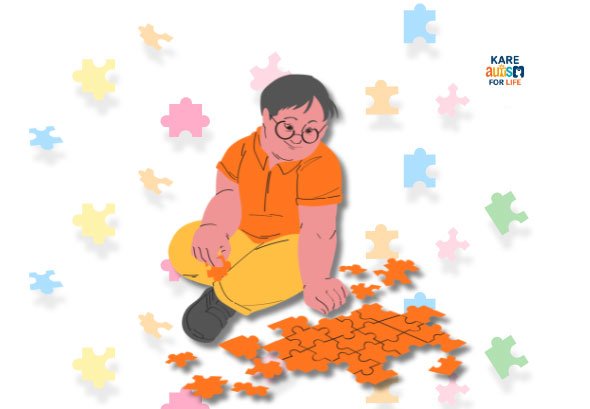
For many children, returning to school after a vacation is exciting. However, for some children in India, school can feel overwhelming. Learning disabilities and behavioral disorders may make it difficult to focus in class, communicate effectively, or retain information. Recognizing these challenges early can help children receive the support they need to succeed.
Studies estimate that 10–12% of school-going children in India experience a learning disability or behavioral disorder. These conditions affect how children process information, express themselves, and interact with others.
Dysgraphia: A Common but Overlooked Learning Disability
One condition parents often overlook is Dysgraphia, also known as a written expression disorder. It affects a child’s ability to write clearly and express ideas through writing. Children with dysgraphia may struggle with spelling, handwriting, letter formation, and organizing thoughts on paper.
Common signs of dysgraphia include:
- Awkward pencil or pen grip
- Unusual wrist or body position while writing
- Fatigue or discomfort during writing tasks
- Poorly formed or inconsistent letters
- Avoiding writing or drawing activities
- Speaking words aloud while writing
- Difficulty with spelling and grammar
- Reversing or misorienting letters
- Trouble organizing thoughts on paper
- Difficulty thinking and writing at the same time (such as taking notes)
Early identification is critical. With the right support, therapy, and educational strategies, children with dysgraphia can improve their writing and academic confidence.
Behavioral Disorders in Children
Some children may also display behavioral disorders that affect their learning and social interactions. The most common include:
Oppositional Defiant Disorder (ODD): Characterized by persistent defiance, irritability, and argumentative behavior toward authority figures.
Conduct Disorder (CD): A pattern of behavior that violates social norms, such as aggression, lying, or rule-breaking.
Attention Deficit Hyperactivity Disorder (ADHD): A condition affecting attention, impulse control, and hyperactivity that can impact school performance and family life.
Why Early Support Matters
Children with undiagnosed learning disabilities or behavioral disorders may experience frustration, low self-esteem, anxiety, or academic setbacks. Early diagnosis, therapy, and parental support can significantly improve a child’s development and future opportunities.
Parents who notice these signs should consult qualified professionals and explore therapy options. Early intervention helps children build skills, confidence, and the ability to thrive in school and beyond.
Platforms like KareAutismForLife aim to support families by connecting them with resources, therapy providers, and guidance for neurodiverse children.
More from our blog
Lets Get In Touch
Share this article with a parent, caregiver, teacher or family member.