Understanding Muscular Dystrophy: Early Support Can Change a Child’s Future
Listen to this article
English
हिन्दी
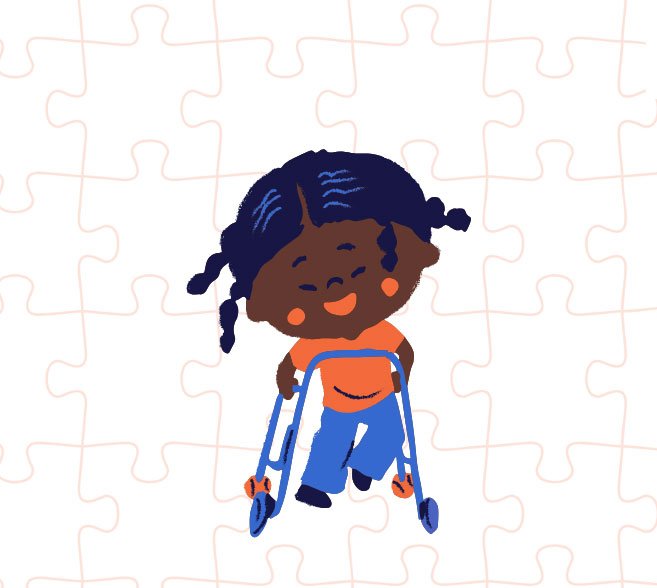
Children with disabilities and their families often face many daily challenges—from accessing healthcare services to finding the right support at school, work, and in social environments. Unfortunately, labels like “disabled” or “handicapped” can sometimes limit opportunities and create unnecessary barriers. What children truly need is understanding, support, and access to the right resources.
Muscular Dystrophy (MD) is a group of genetic disorders that cause progressive muscle weakness and reduced muscle strength over time. It happens due to mutations in genes responsible for maintaining healthy muscles. These genetic changes affect how muscle fibers function, gradually making everyday activities more difficult.
Muscular dystrophy can appear during early childhood, adolescence, or even adulthood, depending on the type. In many cases, symptoms slowly worsen with time and may affect walking, mobility, and daily independence. However, early diagnosis and supportive therapies can significantly improve quality of life.
Common Types of Muscular Dystrophy
There are several types of muscular dystrophy, each with different symptoms and progression:
Duchenne Muscular Dystrophy (DMD)
One of the most common and severe forms, usually affecting boys between ages 3 and 5.
Becker Muscular Dystrophy
Similar to Duchenne but generally milder, with symptoms appearing in adolescence.
Myotonic Muscular Dystrophy
The most common form in adults, affecting the ability to relax muscles after contraction.
Facioscapulohumeral Muscular Dystrophy
Affects muscles in the face, shoulders, and upper arms and usually progresses slowly.
Limb-Girdle Muscular Dystrophy
Primarily affects muscles around the hips and shoulders.
Treatment and Support Options
Currently, there is no permanent cure for muscular dystrophy, but several treatments can help manage symptoms and improve mobility. These may include:
- Physical therapy and rehabilitation
- Assistive devices and mobility support
- Medical monitoring and specialized care
- Emotional and social support for families
Early intervention and access to the right services can make a meaningful difference in a child’s development and independence.
How KareAutismForLife Can Help
Finding reliable information, therapy providers, and community support can be overwhelming for parents. The KareAutismForLife mobile application is designed to simplify this journey.
Through the platform, families can discover therapy resources, connect with professionals, access support services, and stay informed about developmental and neurological conditions.
Every child deserves the opportunity to grow, learn, and live with dignity. With the right guidance and support systems, families can help children with muscular dystrophy and other developmental challenges reach their full potential.
More from our blog
Lets Get In Touch
Share this article with a parent, caregiver, teacher or family member.