Understanding Developmental Delays in Children: Supporting Every Child’s Potential
Listen to this article
English
हिन्दी
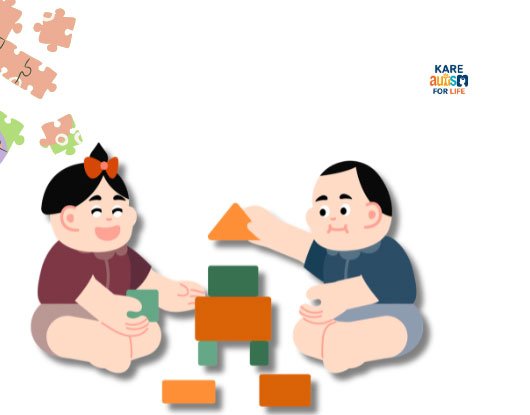
“Every child is a different kind of flower that together makes this world a beautiful garden.”
Every child grows and learns at their own pace. However, some children may take longer to reach certain developmental milestones, such as speaking, walking, or interacting with others. When a child consistently takes longer than expected to develop certain skills, it may be called a developmental delay.
For parents, raising a child with special needs can feel challenging. But with the right information, support, and early intervention, children with developmental delays can grow, learn, and build a happy future.
What Are Developmental Delays?
Developmental delays in children occur when a child does not reach expected milestones in areas such as:
- Speech and language
- Motor skills
- Social and emotional development
- Cognitive or learning abilities
Some children may experience delays in only one area, while others may have Global Developmental Delay (GDD), which means delays in two or more developmental areas.
Minor delays are common, and children—even siblings in the same family—may develop skills at different speeds. However, persistent delays should be evaluated by a healthcare professional.
Possible Causes of Developmental Delays
Developmental delays can occur for many reasons, including:
- Genetic or hereditary factors
- Complications during pregnancy
- Premature birth
- Low birth weight
- Hearing problems or frequent ear infections
- Environmental factors
Sometimes the exact cause may not be known.
Types of Developmental Delays
Speech and Language Delay
Children may say fewer words than expected for their age or may have difficulty understanding and expressing language.
Fine and Gross Motor Skill Delay
Motor skills help children move and explore their environment. Fine motor skills involve small movements like holding a toy or crayon, while gross motor skills involve larger movements such as walking, jumping, or climbing stairs.
Social and Emotional Delay
This affects a child’s ability to interact with others, express feelings, and respond to social situations.
Why Early Intervention Matters
If a child is not meeting multiple developmental milestones, doctors may recommend an early intervention assessment. Early diagnosis and therapy can greatly improve a child’s development, confidence, and learning abilities.
Parents play a powerful role in supporting their child’s growth. With patience, love, and the right resources, children can learn new skills and thrive.
Platforms like KareAutismForLife help parents access trusted information, therapy resources, and support services for children with developmental delays and other neurodevelopmental conditions.
Every child has unique abilities—and with the right support, their possibilities are limitless.
More from our blog
Lets Get In Touch
Share this article with a parent, caregiver, teacher or family member.